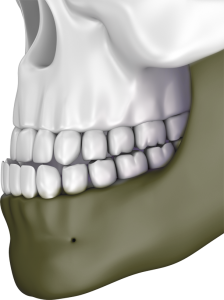
An underbite occurs when your lower teeth close over the top of your upper teeth. Underbites can cause
difficulty chewing and speaking.Caused by a misalignment of the jaw, an underbite can be corrected with a range of treatments to
improve your comfort and appearance.
So how do I know if I need treatment for an underbite?
If Your Underbite Is More Than a Cosmetic Concern, You May Need to See an Orthodontist
- Do You Have Issues Eating or Speaking?
An underbite can interfere with normal daily activities, including chewing and speaking.
- Do You Suffer from Chronic Pain?
For some patients, underbites cause chronic jaw pain, as well as head and earaches.
- Do You Have Breathing Difficulties?
Underbites can also affect your breathing, causing chronic bad breath, sleep apnea, and snoring.
What does an underbite look like?
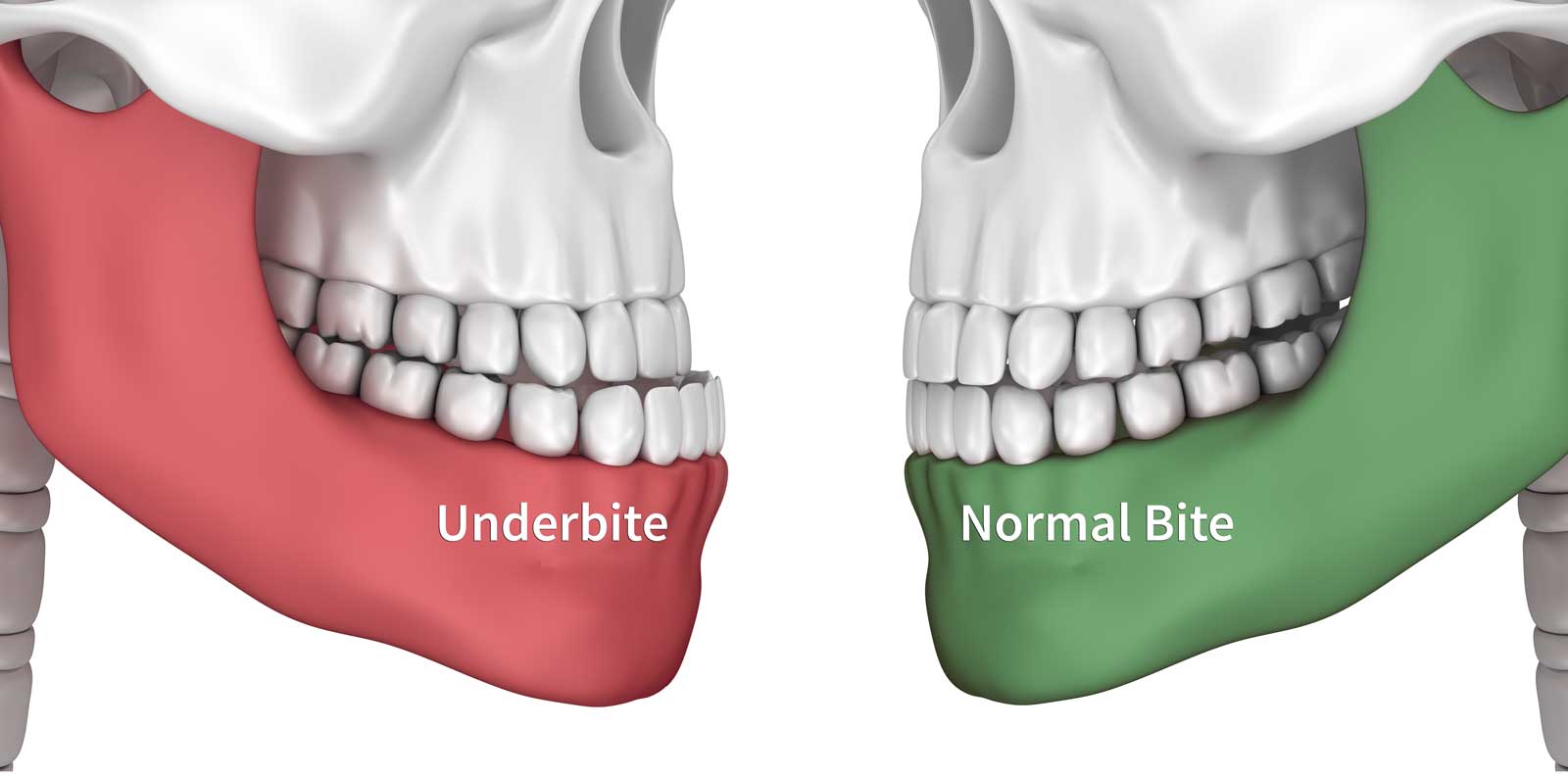
Underbites Have a Distinctive Appearance
Clinically referred to as a Class III Malocclusion, an underbite occurs when the bottom teeth noticeably protrude beyond the upper teeth.
What causes an underbite?
Genetics Play a Major Role in Whether You Develop an Underbite
If one of your parents or grandparents had an underbite, there is a much larger chance that you will, too. In addition, certain ethnic groups are more likely to develop underbites, including those of Asian descent.A famous example of the genetic nature of this trait is the “Habsburg jaw.” Many generations of the royal Habsburg family in Europe were known for their distinctive protruding lower jaws, which are believed to have been the result of an underbite.
Is there anything else that can contribute to an underbite?
Certain Environmental Factors Can Cause an Underbite
Constant thrusting of the tongue against the teeth can move your smile out of position and cause an underbite.
Habits such as thumb sucking and pacifier use in early childhood can also affect the way the jaw develops.
Breathing through your mouth forces the tongue to rest against the lower jaw and increases the chance of an underbite.
Are underbites common?
Underbites Are Much Less Common Than Overbites

*
According to the Journal of Advances in Medicine and Medical ResearchWhat do I do if I suspect I have an underbite?
Your Dentist Can Diagnose Jaw Issues During a Routine Exam

In most cases, an underbite is easy to identify with a simple visual exam. However, your dentist or orthodontist will likely perform a complete evaluation of your teeth and jaw to determine the severity of your condition.During the appointment, your dentist may take x-rays, photographs, and impressions to examine the specific relationship between your teeth, jaws, and head.
Is there any way to prevent an underbite from forming?
Early Intervention May Help a Child Avoid an Underbite
- Limit Pacifier and Bottle Use
Parents of young children can help their child’s jaw form properly by limiting their pacifier and bottle use. Speak to your doctor or a dentist about the best time to begin this process.
If you notice your child snores or breathes through their mouth, you may be able to prevent issues in jaw development by treating these concerns early.
Is it really that important to get my underbite fixed?
An Underbite Can Have a Major Impact on Your Daily Life
“In its most severe form, the Class III malocclusion can be functionally and/or socially debilitating.”
– Family History and Genetics of Mandibular Prognathism
Braces Are the Most Common Treatment for an Underbite
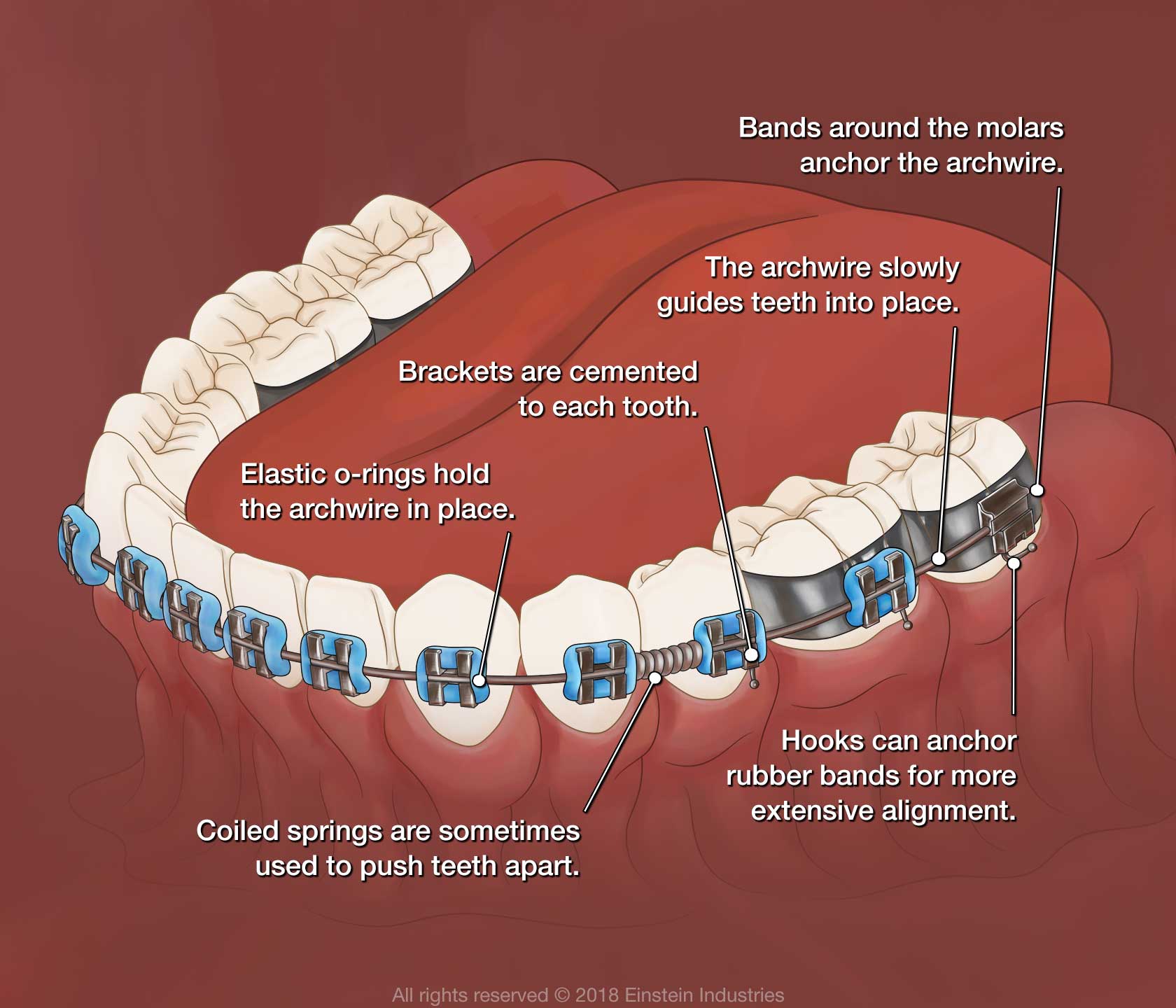
The most commonly used treatment for underbites and other bite issues is orthodontics. Metal braces can adjust the position of teeth and improve jaw alignment to address an underbite.
Are there other options?
Aligners
For minor underbites, clear aligners, such as Invisalign®, can provide results.[/ezcol_1fifth_end]
Special Appliances
Devices, such as expanders, retainers, or headgear, may be used to treat an underbite.[/ezcol_1fifth_end]
Surgery
Severe underbites may require surgery. However, jaw surgery is typically only performed as a last resort.[/ezcol_1fifth_end]
How do I plan my underbite treatment?
Schedule an Appointment to Learn More
Depending on the severity, an underbite can have a serious impact on your oral health and quality of life.
Scheduling an appointment with a doctor is the best way to find out whether you need treatment.